When the Buck Is Legal but the Decision Is Not Clear

When the Buck Is Legal but the Decision Is Not Clear

Understanding Legal and Ethical Considerations, in Texas Deer Hunting

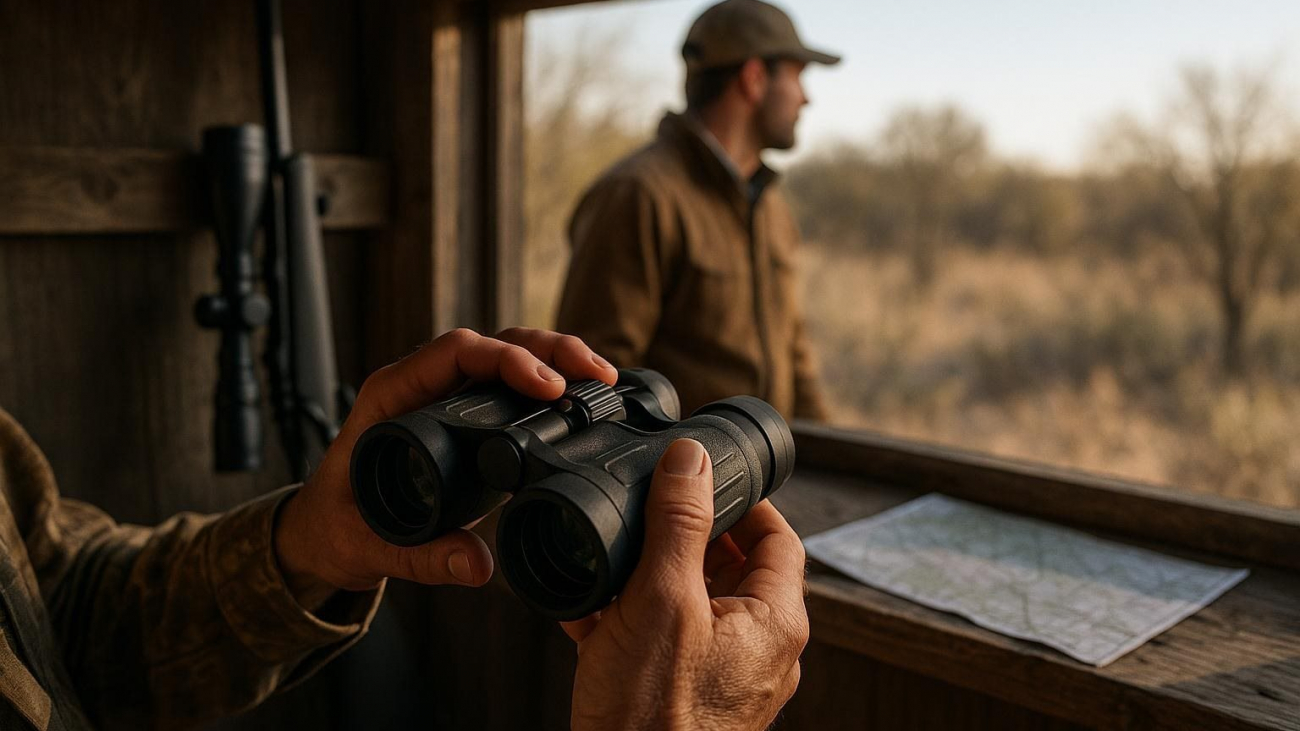
Understanding the rules around deer hunting in Texas is not always easy. Many hunters believe that if a buck is big enough it is okay to shoot. This idea misses a point. Being legal is the starting point. Making a choice means knowing more. This includes things like how you can see the deer, how easy it's to recover it and following what the landowner wants. Talking with your guide before you go hunting can help you make choices.

The Difference Between What Is Legal and What Is Ethical

Texas rules set limits on when and how you can hunt. They include things like the time of year the papers you need and the tools you can use. There are also rules that apply to places. With these rules you still need to think about whether a shot's right. Laws can change, so it is important to check with Texas Parks and Wildlife for the information before you go and just before your hunt starts.

A deer that meets the size might not be a choice. Things like not seeing the deer moving fast or not being able to find it after you shoot can make a shot seem right but feel wrong. Hunters need to know what they are looking at and understand how to make a shot that ends the deers life quickly.

Ranch managers might have goals. They might want to protect ages of deer or keep the number of deer balanced. Of guessing what a "shooter" buck is talk with your guide to avoid mistakes.

Talking Before the Hunt: Set Clear Goals

Before the sun comes up talk with your guide. Decide what you are looking for. Talk about how you will know when to shoot and when to wait. If you are not sure about antler shapes tell your guide.

Ask questions to make sure you both understand:
– What deer are we trying to shoot and which ones should we leave?
– What parts of the deer do I need to see before I shoot?
– Are there times or places where I should not shoot?
– Who is in charge of what happens after the shot?
– What are the rules about tagging, cleaning and carrying the deer?

This talk does not mean you give up your thinking. It helps you both understand what to expect. Your guide knows the land and the plans. You are the one who takes the shot and follows the rules.

Being Ready for the Decisions You Make

When you get ready for the hunt it is common to focus on gear, clothes and guns.. You should also think about how you make decisions. Before you go check the rules make sure you have your permits and know the rules of the place you are hunting. Keep this information close so you do not rely on information.

Think about how light and movement can change what you see. Can you stay on the deers body when things get busy? Preparation should include your tools and your plan for when things go wrong like when the deer moves or hides.

A good list to check might include:
– Making sure your papers and rules are up to date
– Talking about what you're looking for with your guide
– Setting your limits on how how you shoot
– Checking your tools and guns before you go
– Knowing what you will do if you shoot
– Understanding how to tag and carry the deer

Fixing any problems early can help you be ready when you are in the field.

Take Time to Think Before You Act

When you see a deer stop and think. Use this time to check if it is the deer if it meets the rules and if it fits what you and your guide talked about. Make sure the shot is clear and that you can take it safely. If anything is not right waiting is a choice, not a mistake.

Your guide can help,. The final choice is yours. Do not rush because you are excited or worried about missing a chance. Think about the risks like movement, bad light or things in the way that make it hard to find the deer.

After you shoot stay still. Wait for your guide. Do not rush to look for the deer. Checking the signs and what you see is important. Moving fast might make it harder to find the deer.

Hunting with a Clear Purpose

Hunting is more than making a shot. It includes how you find the deer handle it and prepare the meat. Follow the rules of the land. Make sure the deer is tagged. If your hunt is part of a plan think about what your guide can learn from the deer. This information helps make choices time.

Ethical hunting also means being careful. Choosing not to shoot when thingsre not right or letting a deer that is protected go can help the land more than taking every shot. Sometimes the best choice is to wait for the time or a better chance.

As you get ready for the September 2026 hunting season check all the Texas rules and the rules of the place you are hunting. Things can change. Talking with your guide about what you want and what you're comfortable, with will help you have an more respectful hunt.
Planning a Guided Hunt: The Questions to Ask Before You Book: A Clear Guide for Newcomers

Planning a Guided Hunt: The Questions to Ask Before You Book: A Clear Guide for Newcomers

A guided hunt is not automatically a hunt. Paying for help does not remove the need for preparation; a good experience depends on communication before you get there. New hunters should ask questions about the area, daily schedule, tools, legal rules and what happens when the weather or animals change. The answers show if the plan matches your goals and help avoid problems that can be costly or hard to handle in the field.

Start with the hunt you actually want

Before looking at guides decide what kind of experience you want. A first trip might focus on learning how to make choices in the field trying a specific animal seeing new land or just being outside. Those goals might need types of hunts.

Ask what the trip is meant to offer. Is the focus on sneaking up on animals using a blind walking quietly watching the land or another way? How walking, waiting and looking should you expect? What level of fitness is needed for the land? A good answer will include what is not possible not what is nice.

Be clear about what you want to achieve. No honest guide can promise an animal, a certain size or a specific chance. Ask how success is measured what happens if the weather or animal movement changes the plan and whether the schedule can change without pushing you to make a choice you don't agree with.

Ask what is included-. What is yours to arrange

Many problems come from unclear ideas. Ask for a written list of what the cost covers and what it does not. This may include where you sleep, what you eat, traveling on the land caring for the animal after it is shot using tools or help after the kill. Details can be different.

Check arrival and departure times, where you meet what gear is allowed, what to wear and how you will talk before the trip. If you have trouble moving need food have medicine to take or use a gun you are not used to say so early. A guide may suggest changes only if they know about the problem before the trip.

Check if you need to bring a rifle, bullets, glasses, a knife, coolers or safety gear. Do not think that borrowed tools will work, be there or fit your needs. Test your gear before. Tell about any problem that could affect safe use or good shooting.

A helpful list to check before booking is short:

– What exactly is. What do I have to pay for or arrange on my own?
– What kind of land, weather and physical effort should I expect?
– What equipment do I need to bring?
– What are the rules for canceling, changing or bad weather?
– Who deals with permits, reporting and handling the animal or trophy?
– What choices stay with me while in the field?

If an answer is still not clear after asking think of it as a sign to be careful not just a small problem.

Verify duties before the first day

A guide can explain the process but your legal duties do not go away because you are with someone. Texas hunting rules license needs, season dates, tagging or reporting rules, land rights and rules about guns can change. Rules may also be different for each animal, county, place and way of hunting.

Ask what the guide handles and what you are still responsible for. Then check the rules with the Texas Parks and Wildlife Department and any other official place before you go. Do not trust a list a message from last year or advice from someone who hunted under different conditions.

The same care is needed when moving guns, bullets and animals you kill. Ask what papers or steps might be needed. Check the latest rules yourself. If a guide ignores questions says rules don't matter or tells you to go ahead without the right permission do not book the trip.

Discuss choices before they become urgent

Ethical hunting is easier when you talk about it before it matters. Ask how the guide makes choices about shooting, identifying the animal trying to find it after it is hit and when it is hard to see or the distance is not clear. You should be able to say no to a shot without being laughed at rushed or seen as a failure.

Talk about what happens after a hit. Who decides to track? How long might the group wait? What signs will be. When will outside help be used? The details depend on the land, weather and the animal. A bad result should never be ignored just because the day is ending.

Ask how the guide deals with animals that are hurt or not found. No guide can promise a result but a good guide should explain what effort is expected when things go wrong. Ethical hunting means making the choice before the shot and handling the result carefully-not just taking an animal.

Look for conservation-minded judgment

Taking care of the land is part of the trip even when it is not obvious. Ask how the place manages hunting pressure the land, water, food if used goals for the number of animals and choices about shooting. You need details to understand how your hunt fits into the long-term goals of the land.

Ask questions: How are the choices about shooting made? What happens if the animal you wanted to hunt is not a choice that day? Are some areas or animals not allowed? Does the plan change during times, when animals are sick during floods or if animals act strangely?

The guide's answer should show care. Conservation does not always mean you get to shoot. Sometimes the right choice is to pass, move, shorten the day or leave the area alone.

Treat communication as part of the evaluation

The last check is whether the guide answers your questions clearly admits when they are not sure and respects your limits. Ask for references when they can be given and judge their claims based on the details that support them.

Before sending a deposit get a written agreement with the dates the animal what is included where you meet, the rules for canceling and any special plans. Check the rules and details close to the trip because laws, weather and the land can change.

The best choice is not always the one with the activities. It is the one where you know what to expect what you're responsible, for and what is right to do before you go out.