Understanding Legal and Ethical Considerations, in Texas Deer Hunting
Understanding the rules around deer hunting in Texas is not always easy. Many hunters believe that if a buck is big enough it is okay to shoot. This idea misses a point. Being legal is the starting point. Making a choice means knowing more. This includes things like how you can see the deer, how easy it's to recover it and following what the landowner wants. Talking with your guide before you go hunting can help you make choices.
The Difference Between What Is Legal and What Is Ethical
Texas rules set limits on when and how you can hunt. They include things like the time of year the papers you need and the tools you can use. There are also rules that apply to places. With these rules you still need to think about whether a shot's right. Laws can change, so it is important to check with Texas Parks and Wildlife for the information before you go and just before your hunt starts.
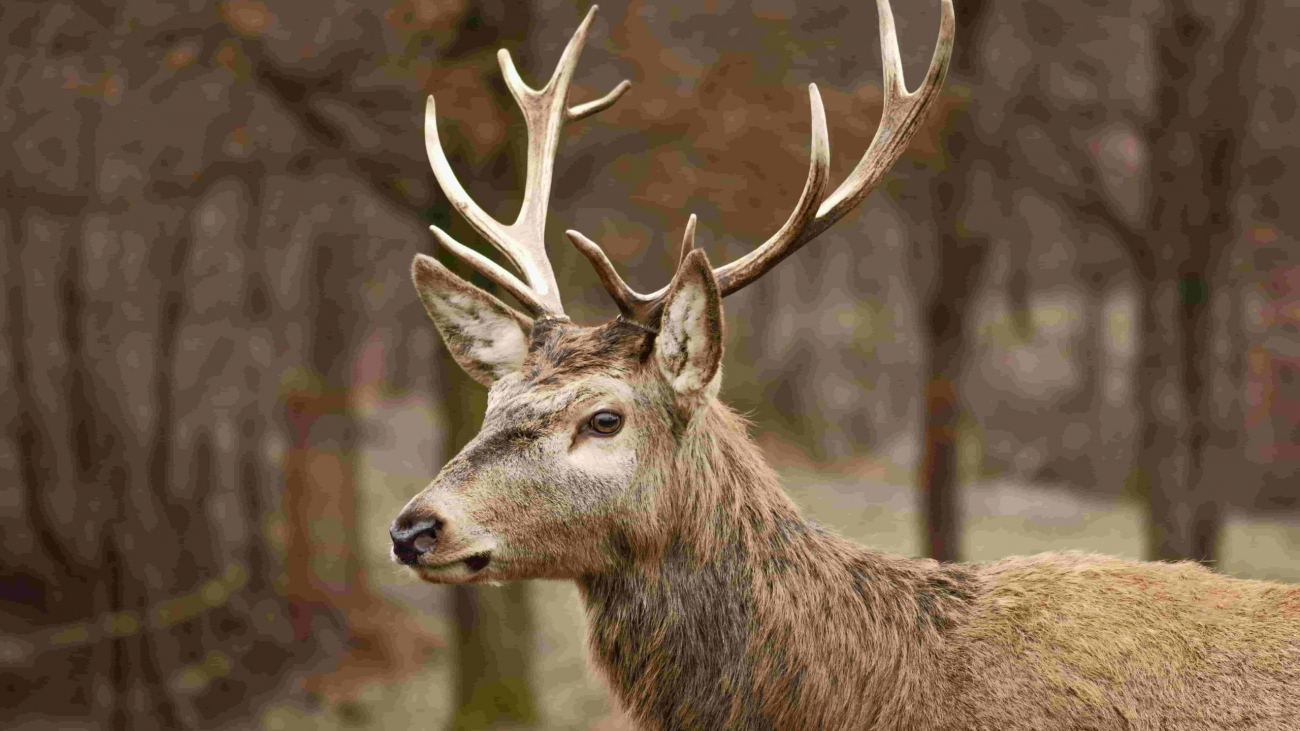
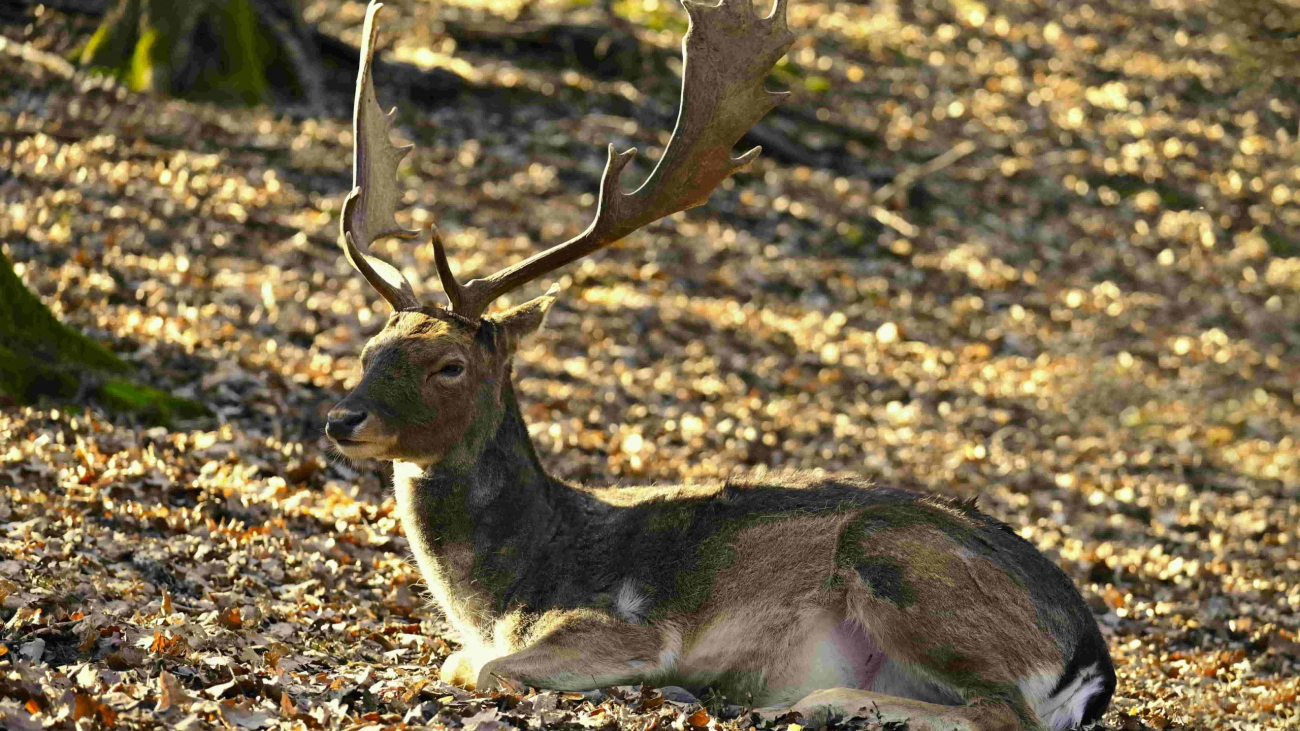
A deer that meets the size might not be a choice. Things like not seeing the deer moving fast or not being able to find it after you shoot can make a shot seem right but feel wrong. Hunters need to know what they are looking at and understand how to make a shot that ends the deers life quickly.
Ranch managers might have goals. They might want to protect ages of deer or keep the number of deer balanced. Of guessing what a "shooter" buck is talk with your guide to avoid mistakes.
Talking Before the Hunt: Set Clear Goals
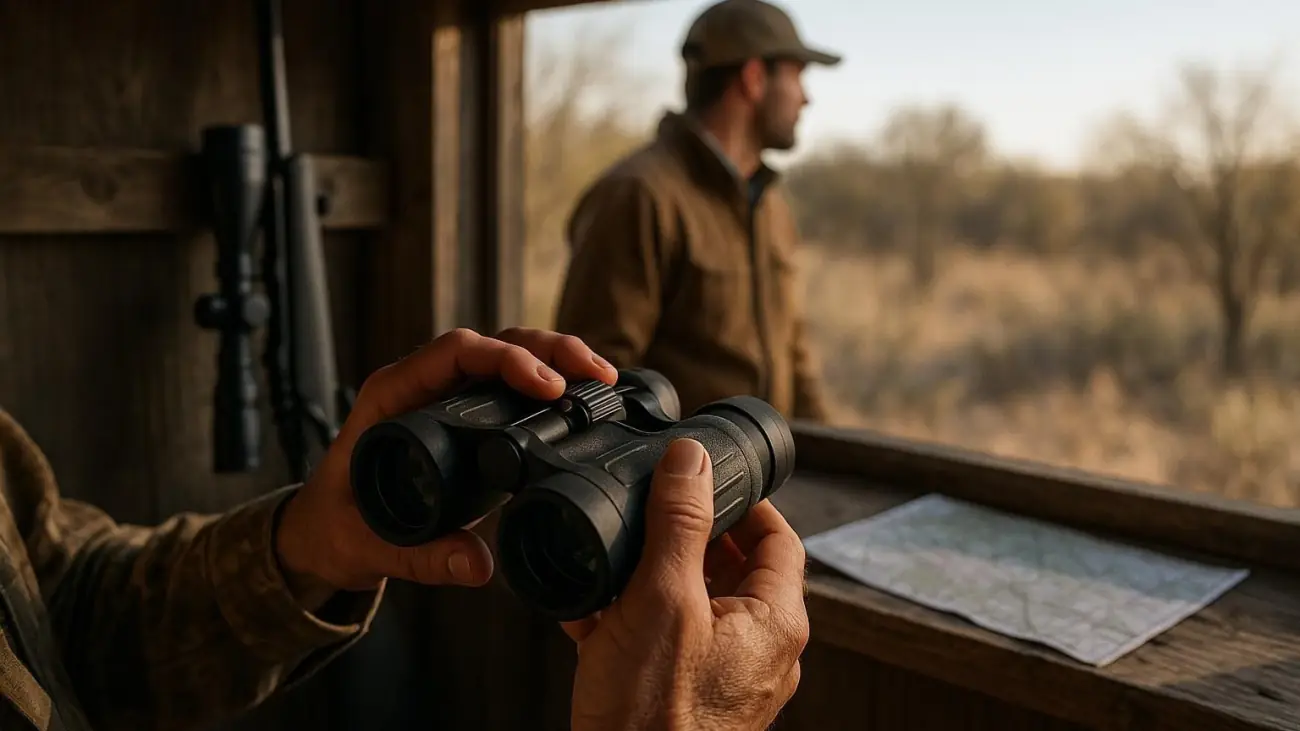
Before the sun comes up talk with your guide. Decide what you are looking for. Talk about how you will know when to shoot and when to wait. If you are not sure about antler shapes tell your guide.
Ask questions to make sure you both understand:
– What deer are we trying to shoot and which ones should we leave?
– What parts of the deer do I need to see before I shoot?
– Are there times or places where I should not shoot?
– Who is in charge of what happens after the shot?
– What are the rules about tagging, cleaning and carrying the deer?
This talk does not mean you give up your thinking. It helps you both understand what to expect. Your guide knows the land and the plans. You are the one who takes the shot and follows the rules.
Being Ready for the Decisions You Make
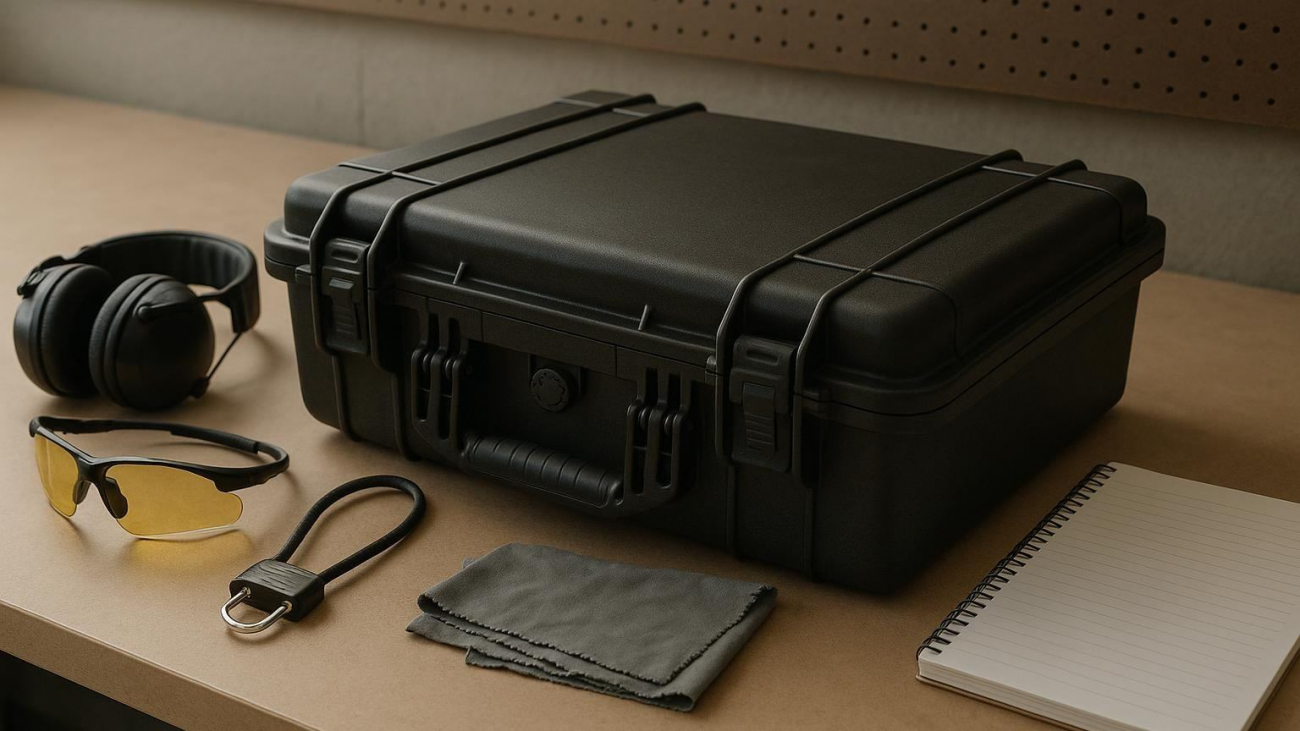
When you get ready for the hunt it is common to focus on gear, clothes and guns.. You should also think about how you make decisions. Before you go check the rules make sure you have your permits and know the rules of the place you are hunting. Keep this information close so you do not rely on information.
Think about how light and movement can change what you see. Can you stay on the deers body when things get busy? Preparation should include your tools and your plan for when things go wrong like when the deer moves or hides.
A good list to check might include:
– Making sure your papers and rules are up to date
– Talking about what you're looking for with your guide
– Setting your limits on how how you shoot
– Checking your tools and guns before you go
– Knowing what you will do if you shoot
– Understanding how to tag and carry the deer
Fixing any problems early can help you be ready when you are in the field.
Take Time to Think Before You Act
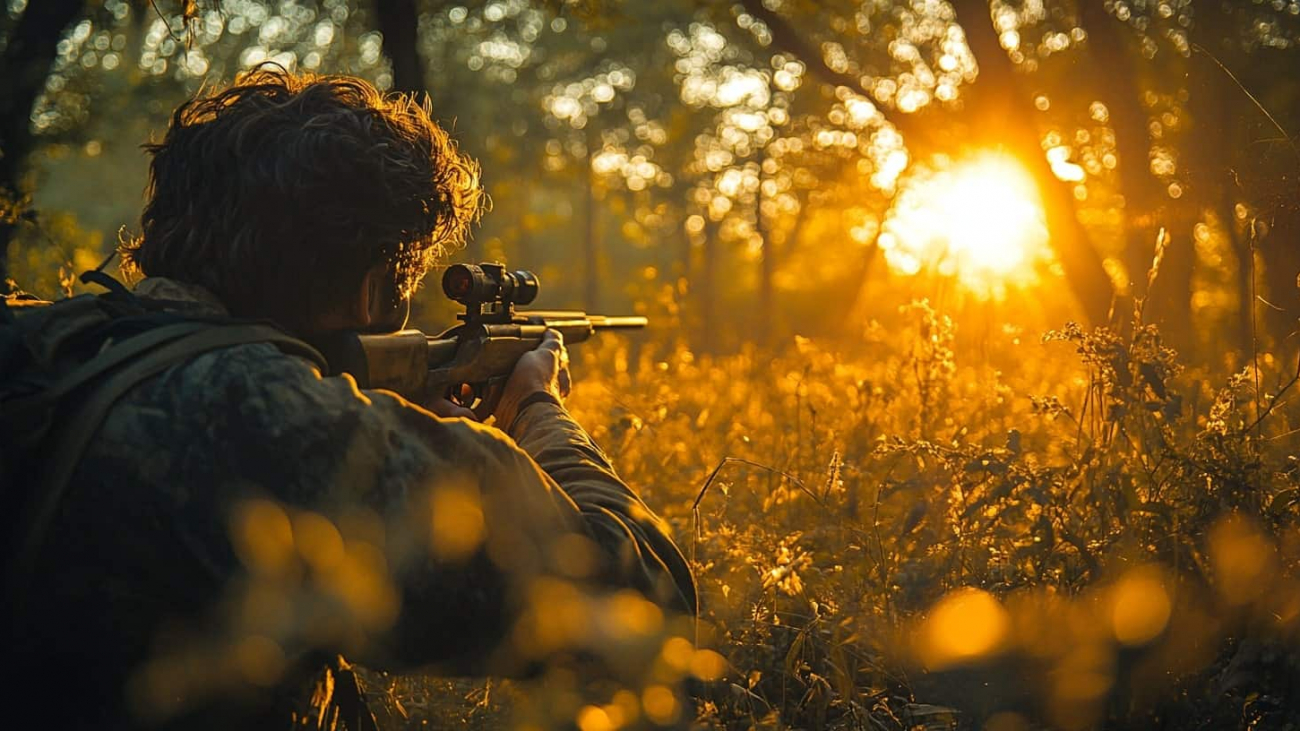
When you see a deer stop and think. Use this time to check if it is the deer if it meets the rules and if it fits what you and your guide talked about. Make sure the shot is clear and that you can take it safely. If anything is not right waiting is a choice, not a mistake.
Your guide can help,. The final choice is yours. Do not rush because you are excited or worried about missing a chance. Think about the risks like movement, bad light or things in the way that make it hard to find the deer.
After you shoot stay still. Wait for your guide. Do not rush to look for the deer. Checking the signs and what you see is important. Moving fast might make it harder to find the deer.
Hunting with a Clear Purpose
Hunting is more than making a shot. It includes how you find the deer handle it and prepare the meat. Follow the rules of the land. Make sure the deer is tagged. If your hunt is part of a plan think about what your guide can learn from the deer. This information helps make choices time.
Ethical hunting also means being careful. Choosing not to shoot when thingsre not right or letting a deer that is protected go can help the land more than taking every shot. Sometimes the best choice is to wait for the time or a better chance.
As you get ready for the September 2026 hunting season check all the Texas rules and the rules of the place you are hunting. Things can change. Talking with your guide about what you want and what you're comfortable, with will help you have an more respectful hunt.